

Attention-Deficit/Hyperactivity Disorder (ADHD) is a neurodevelopmental condition that can affect a child's attention, activity level and impulse control. Children with ADHD may have persistent difficulty concentrating, staying organised, sitting still when expected or controlling impulsive behaviour.
However, occasional inattentiveness or high activity does not necessarily mean a child has ADHD. Diagnosis requires a comprehensive assessment by appropriately qualified healthcare professionals and considers whether symptoms are persistent, occur in more than one setting and interfere with everyday functioning.
At 𝐃𝐫 𝐁𝐚𝐭𝐫𝐚’𝐬 ® 𝐁𝐚𝐧𝐠𝐥𝐚𝐝𝐞𝐬𝐡, families looking for ADHD treatment in Dhaka can receive an individual consultation where the child's symptoms, medical history, development, behaviour and other relevant factors are considered.
What Is ADHD?
ADHD commonly begins in childhood and can continue into adolescence and adulthood.
Symptoms are generally associated with two broad areas: inattention and hyperactivity/impulsivity. Some children predominantly experience inattentive symptoms, others mainly hyperactive-impulsive symptoms, and some experience both.
ADHD is not simply the result of poor discipline, laziness or a child choosing not to concentrate.
Common Signs of ADHD in Children
Signs can include:
- Difficulty maintaining attention
- Easily becoming distracted
- Frequently losing or forgetting things
- Difficulty completing tasks
- Trouble following instructions
- Excessive talking
- Difficulty remaining seated when expected
- Frequent fidgeting
- Interrupting others
- Difficulty waiting for a turn
- Acting without considering consequences
- Problems organising schoolwork or everyday activities
These behaviours need to be considered in relation to the child's age, development and environment.


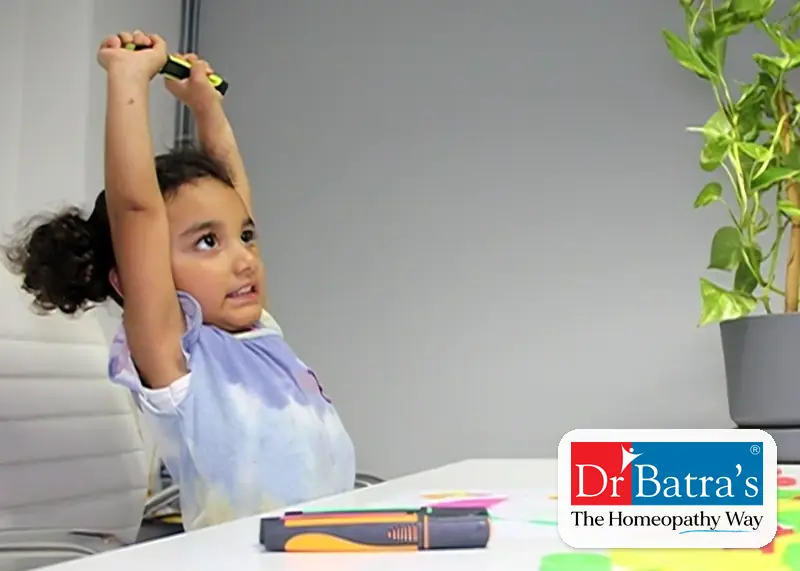
Illustrative images. Not patient results.
What Causes ADHD?
There is no single known cause of ADHD. Research indicates that genetic and neurobiological factors play important roles, while several other factors may influence risk.
ADHD is not caused simply by bad parenting.
A proper assessment is important because anxiety, sleep problems, learning difficulties and other developmental or medical issues can sometimes produce symptoms that resemble aspects of ADHD.
ADHD Care at 𝐃𝐫 𝐁𝐚𝐭𝐫𝐚’𝐬 ® 𝐁𝐚𝐧𝐠𝐥𝐚𝐝𝐞𝐬𝐡
Step 1: Detailed Consultation
The consultation may consider the child's behaviour, developmental history, medical history, school functioning, sleep, family observations and other relevant factors.
Step 2: Understanding the Child's Symptoms
Attention difficulties, impulsivity, activity levels and the impact of symptoms on everyday functioning are considered.
Step 3: Personalised Homeopathic Care
Families seeking homeopathy ADHD treatment in Dhaka may discuss complementary homeopathic care with a 𝐃𝐫 𝐁𝐚𝐭𝐫𝐚’𝐬 ® 𝐁𝐚𝐧𝐠𝐥𝐚𝐝𝐞𝐬𝐡 doctor.
Homeopathy should not replace evidence-based ADHD assessment or treatment recommended by the professionals responsible for the child's care.
Step 4: Supporting the Child
Depending on the child's needs, families may also need behavioural strategies, educational support and other professional services.

Choosing ADHD Treatment in Dhaka
Parents searching for the best homeopathy doctor in Dhaka for their child should consider professional qualifications, appropriate assessment and whether the practitioner recognises when multidisciplinary care is necessary.
ADHD management may involve paediatricians, psychiatrists, psychologists, behavioural specialists and educational professionals depending on the child's needs.
Consult 𝐃𝐫 𝐁𝐚𝐭𝐫𝐚’𝐬 ® 𝐁𝐚𝐧𝐠𝐥𝐚𝐝𝐞𝐬𝐡
If you are considering complementary homeopathic care for a child with ADHD, book a consultation at 𝐃𝐫 𝐁𝐚𝐭𝐫𝐚’𝐬 ® 𝐁𝐚𝐧𝐠𝐥𝐚𝐝𝐞𝐬𝐡 to discuss your child's individual circumstances.
Frequently Asked Questions
What is ADHD?
ADHD is a neurodevelopmental condition characterised by persistent patterns of inattention and/or hyperactivity and impulsivity that affect functioning.
What are common ADHD symptoms in children?
Difficulty concentrating, distractibility, impulsive behaviour, excessive activity and organisational difficulties are common.
Does every highly active child have ADHD?
No. High activity alone does not establish an ADHD diagnosis.
How is ADHD diagnosed?
Diagnosis involves comprehensive professional assessment of symptoms, development and functioning across relevant settings.
Is ADHD caused by poor parenting?
No. ADHD is not simply caused by parenting style.
Can ADHD affect school performance?
Yes. Attention, organisation and impulse-control difficulties can affect learning and classroom functioning.
Can ADHD continue into adulthood?
Yes. ADHD can persist into adolescence and adulthood.
Can homeopathy replace standard ADHD treatment?
Homeopathy should not replace evidence-based assessment or treatment recommended by the child's healthcare professionals.
Where can parents seek ADHD consultation in Dhaka?
Families considering complementary homeopathic care can consult 𝐃𝐫 𝐁𝐚𝐭𝐫𝐚’𝐬 ® 𝐁𝐚𝐧𝐠𝐥𝐚𝐝𝐞𝐬𝐡 while maintaining appropriate specialist care.
When should parents seek professional assessment?
Assessment is appropriate when persistent attention, activity or impulse-control difficulties interfere with school, relationships or everyday functioning.
Our Homeopathic Doctors
Book a Consultation at 𝐃𝐫 𝐁𝐚𝐭𝐫𝐚’𝐬 ® 𝐁𝐚𝐧𝐠𝐥𝐚𝐝𝐞𝐬𝐡
Discuss your symptoms with a qualified homeopathic doctor at our Banani or Uttara clinic in Dhaka, open every day 12 PM–8 PM.
Visit our Banani clinic or Uttara clinic.
This page provides general information and does not replace an individual medical consultation. Treatment approach and outcomes vary between individuals. Seek urgent medical care for severe or emergency symptoms.